

An Integrated Model For Better Outcomes, Lower Utilization & Lower Costs: The Mental Health Cooperative Case Study
An Integrated Model For Better Outcomes, Lower Utilization & Lower Costs: The Mental Health Cooperative Case Study
December 7 @ 1:00 pm – 2:00 pm
Integration has been a focus for specialty provider organization executive teams for a while now, driven by the wants of both consumers and payers. Consumers want a simpler experience that connects primary and specialty care through one coordination process. Payers seek better health outcomes and less use of costly services. For provider organization executives, the key question is how to make an integrated model work so that both consumers and payers get what they want.
In this one-hour live presentation, Mental Health Cooperative (MHC) Chief Executive Officer Andrea Westerfield; Chief Medical Officer and Chief Information Officer Corey M. Cronrath, DO; and Senior Data Analyst Joshua Herbison will present MHC’s integrated, community-based model. The model, recently featured in the New England Journal of Medicine Catalyst, combines behavioral health treatment, primary care, care management, pharmacy services, crisis response, and partnerships with managed care organizations and public agencies to address fragmented care, preventable crises, poor physical health outcomes, and high costs.
The speakers will explain how MHC designed, financed, operated, and measured the model across a Tennessee system serving nearly 17,000 people with serious mental illness each year. They will also examine its prospective per-member, per-month case rate, annual quality and efficiency incentives, and shared accountability for utilization and outcomes.
The session will review measurable results. From 2017 through 2024, emergency department utilization fell from 131 to 83.7 visits per 1,000 members, while inpatient utilization fell from 11.2 to 7.6 admissions per 1,000. From 2019 through 2024, MHC’s per-member, per-month cost rose from $771 to $799, compared with $907 to $1,020 among comparable non-MHC members. Estimated cumulative savings reached $39 million.
Discussion prompts and implementation questions will help attendees compare MHC’s experience with their own, with attention to payment models, populations, capabilities, and readiness for change. Attendees will leave with a framework for deciding which elements of the MHC model can transfer to their organizations and markets.
What This Case Study Explores
- How timely access, multidisciplinary care teams, long-acting injectable medications, data analytics, and community-based crisis services reduce fragmentation and support recovery
- The operating disciplines needed to sustain outcomes
- How to align payers, workforce design, data infrastructure, access management, clinical standardization, and leadership governance
- Lessons from successful initiatives, needed redesigns, and tensions among mission, quality, growth, and financial sustainability
Learning objectives
Following this presentation, participants will be able to:
- Describe the clinical, operational, financial, and data components of MHC’s integrated care model for people with serious mental illness
- Evaluate how MHC aligns payment incentives, clinical interventions, and utilization data to improve outcomes and control total cost of care
- Identify elements of the MHC model that could be adapted within their organizations, including the infrastructure, partnerships, and leadership disciplines needed for implementation
Featured Speakers

Andrea Westerfield, LCSW
Chief Executive Officer, Mental Health Cooperative
Andrea Westerfield is Chief Executive Officer of Mental Health Cooperative, a Tennessee-based non-profit. She brings more than 15 years of executive leadership experience in integrated health care delivery. During nearly two decades with MHC, she advanced from frontline care management into senior executive leadership, ultimately serving as Chief Executive Officer. She has led operational strategy, service expansion, organizational transformation, and value-based care initiatives across a statewide organization serving individuals with complex behavioral and physical health needs. Her experience includes Medicaid managed care, public-sector partnerships, clinic development, and community crisis-response programs.
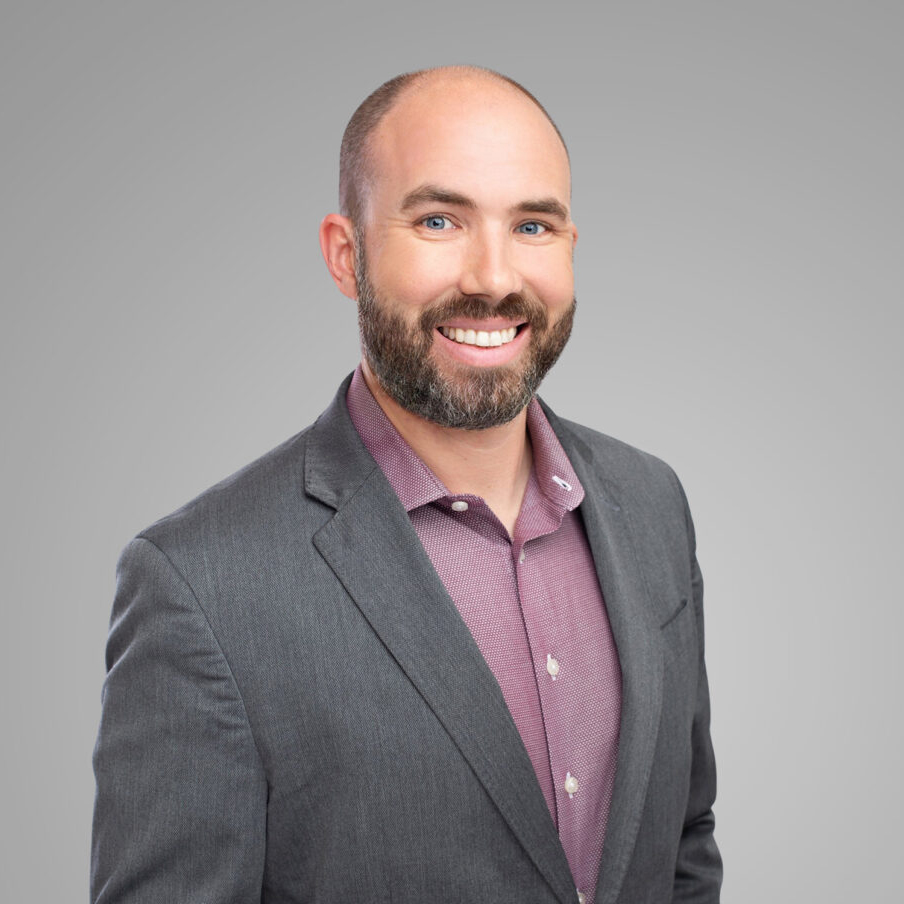
Corey M. Cronrath, DO, MPH, MBA, FAAPL, FACOEM
Chief Medical Officer & Chief Information Officer, Mental Health Cooperative
Dr. Corey Cronrath serves as Chief Medical Officer and Chief Information Officer of Mental Health Cooperative. He is a triple board-certified physician with expertise in occupational medicine, aerospace medicine, and health care administration, leadership, and management. He oversees clinical strategy, medical services, information technology, analytics, and digital transformation. His leadership focuses on integrated care, value-based payment, clinical quality, provider performance, and the use of technology to improve access and outcomes. A retired military physician and experienced health-system executive, Dr. Cronrath also teaches future health care leaders and has published on physician leadership, occupational medicine, and integrated behavioral health care.
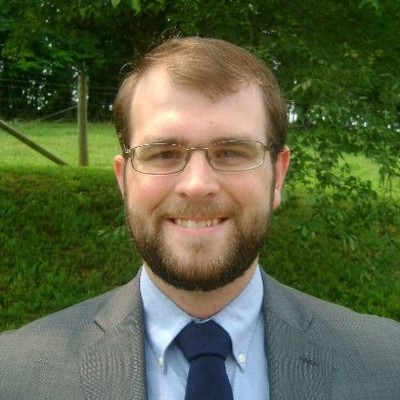
Joshua Herbison, MBA
Senior Data Analyst, Mental Health Cooperative
Joshua Herbison is a Senior Data Analyst at Mental Health Cooperative, where he supports the organization’s clinical, operational, and financial analytics. His work helps leaders translate complex health care data into actionable information for population management, performance improvement, utilization monitoring, and value-based care. He contributes to the development of MHC’s enterprise data infrastructure and reporting capabilities, including the measurement of access, quality, service utilization, and total cost of care. His analytical work helps connect frontline operations with executive decision-making and provides much of the evidence used to evaluate the performance of MHC’s integrated care model.

Registration is free and requires an OPEN MINDS Circle account, which you consent to OPEN MINDS creating on your behalf if one does not exist. For access to the full line of market intelligence, including executive briefings, industry news, state and organizational profiles, RFPs and datasets from the specialty health and human services market, contact us at 855-559-6827 or info@openminds.com to become an OPEN MINDS member.
Unable to attend? Still register! At the conclusion of the event, all registrants will receive a recorded copy of the executive web briefing and presentation slides.